

Your Marketing Budget Isn't the Problem.
There's a version of this conversation that happens in almost every discovery call: A founder or business owner tells me their marketing isn't working. Revenue is flat, leads are thin, and the content calendar is full. They're posting. They're emailing. They're running ads. And nothing is moving…….
So they ask: do we need a bigger budget?
Almost always, the answer is no.
The problem isn't how much they're spending. It's that they're spending on tactics they never validated — and scaling activity that was never working in the first place.
The Real Cost of Marketing Isn't What You Think
When most businesses calculate their marketing spend, they count the obvious things: ad budget, tool subscriptions, agency fees. What they rarely count is everything else — the hours spent producing content that nobody reads, the staff time reviewing campaigns that don't convert, the opportunity cost of pursuing the wrong channel for 18 months before pivoting.
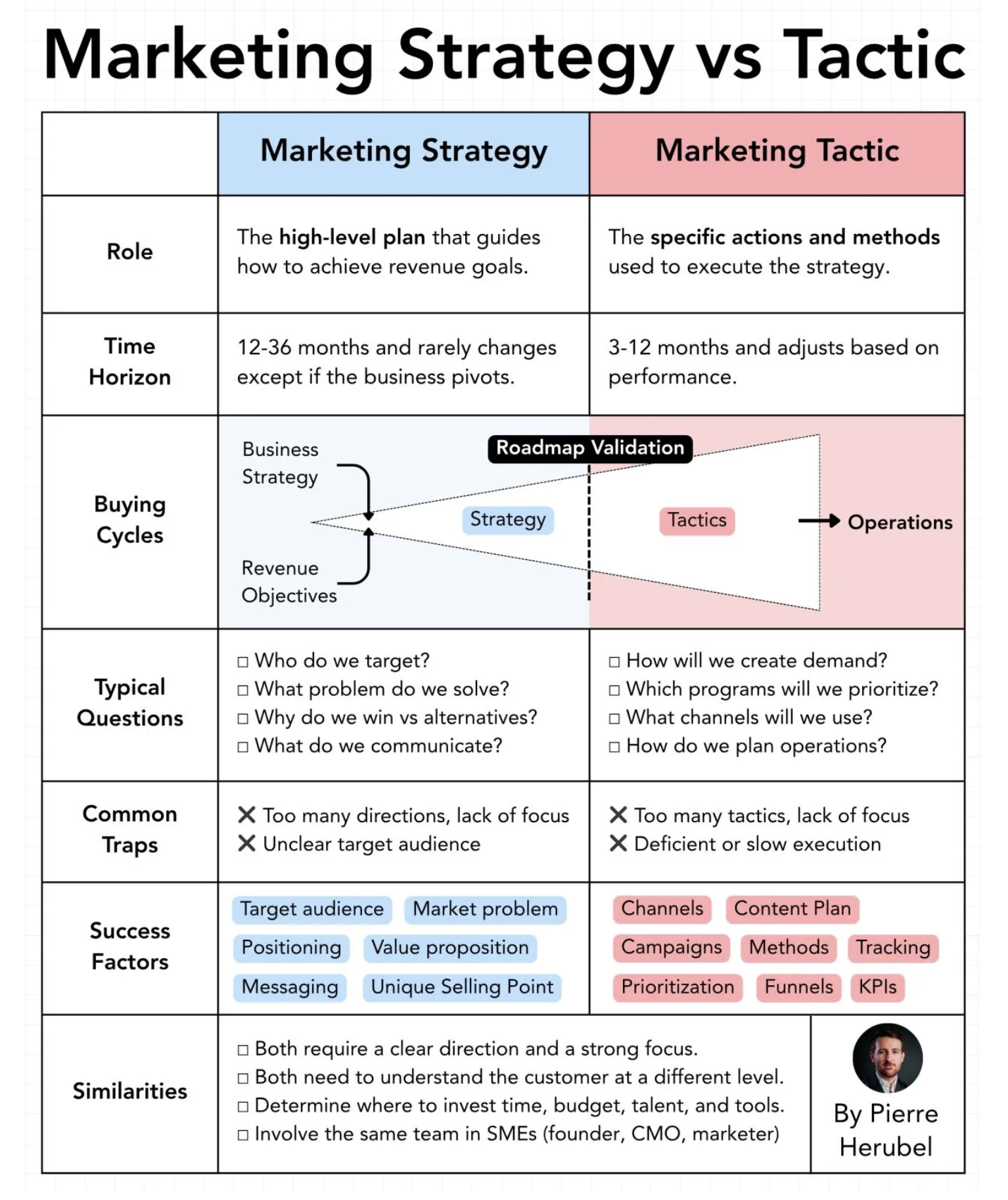
The true cost of your marketing is significantly higher than your invoice total. And until you account for all of it, you can't actually measure what's working.
This matters because most businesses make the same mistake: they see activity and assume it's producing results. Posts go out. Emails get sent. Clicks happen. But when you pull back and ask "what did this actually drive?" the answer is often silence — or an attribution model so murky that nobody really knows.
Clarity starts with an honest accounting. What did you spend, in time and money, and what did it return?
Why Scaling Before You've Validated Anything Always Backfires
One of the most common mistakes businesses make — and it shows up in B2B companies especially — is scaling tactics before they've proven those tactics work.
Think about how this plays out: a company starts running LinkedIn ads. Early results are vague but not terrible. So they increase the budget. Then they hire someone to manage it. Then they add a second platform. And suddenly they're spending three times as much as they were 90 days ago, on a channel they never actually validated, chasing returns that were never clearly defined.
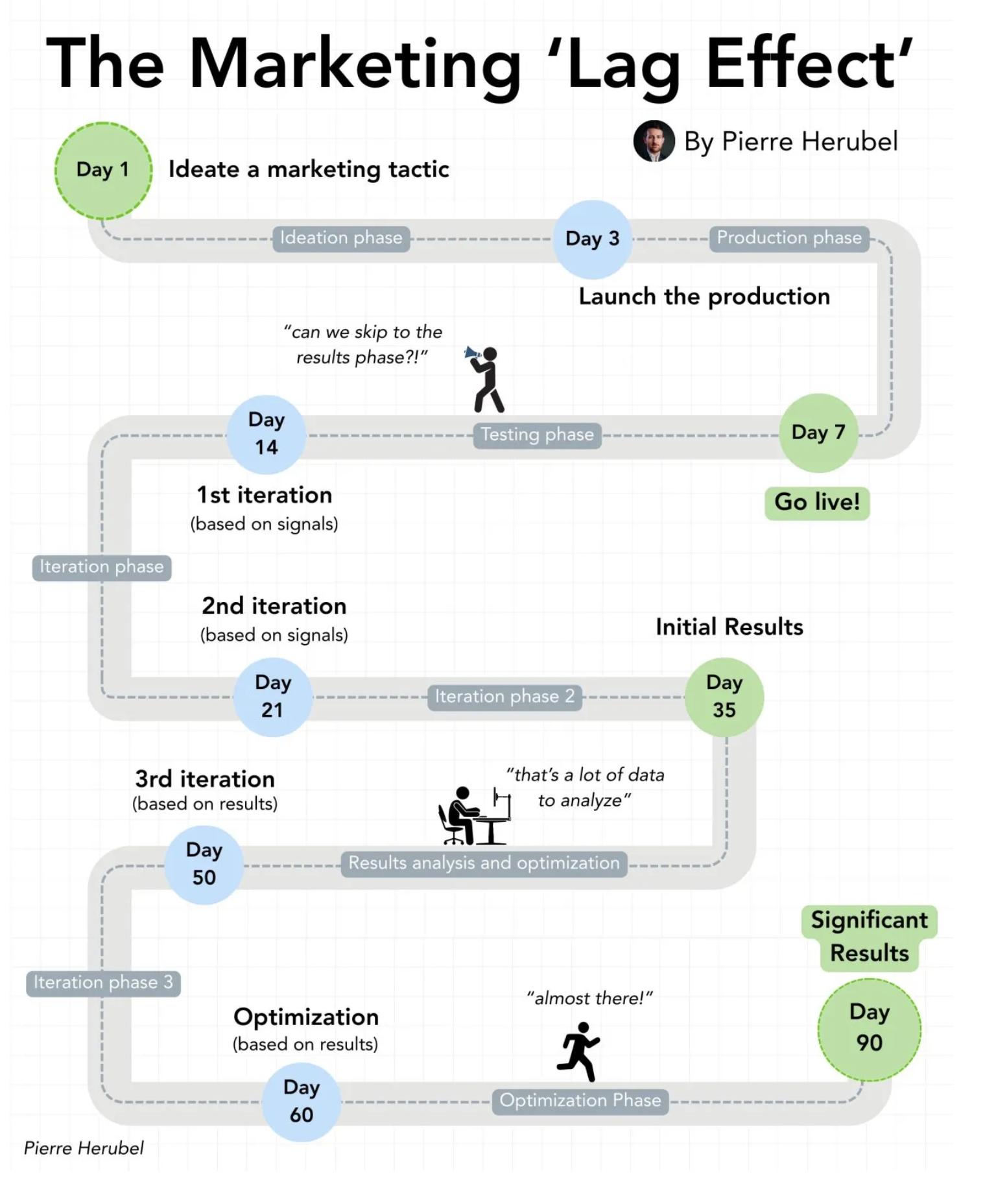
This is the premature-scale trap. And it's expensive.
The founders who get GTM right — and the companies that grow efficiently — do something different. They have a handful of real conversations with real prospects before they build a system to scale those conversations. They define success criteria before they call something a pilot. They prove the motion works before they hire someone to run it.
Mutiny, one of the fastest-growing B2B SaaS companies in its category, improved conversions by 71% by changing a single homepage headline to something more specific. Not by spending more. By getting clearer.
That's the pattern. Clarity before spend. Message before channel. Proof before scale.
The Brand Voice Problem No One Wants to Admit
Here's something the marketing industry doesn't talk about enough: when your messaging sounds like everyone else's, no amount of budget will fix it.
Right now, AI marketing platforms are selling "brand voice" as a feature — and they're all producing the same voice. Generic. Polished. Interchangeable. The same adjectives, the same sentence structures, the same call-to-action patterns showing up across thousands of brands who think they're differentiating and are actually blending in.
When your content can be swapped out for a competitor's without anyone noticing, you don't have a brand voice. You have filler.
This matters for ROI in a direct, measurable way. Undifferentiated messaging produces lower engagement, lower conversion rates, and higher cost-per-acquisition. You're paying more to say less.
The fix isn't a better AI tool. It's clearer thinking about what you actually believe, who you're actually for, and what makes your perspective worth reading. Brands grounded in real conviction — in actual positions, not vague values statements — don't get flattened by the noise. They cut through it.
How to Measure Marketing ROI Without Guessing
If you can't answer these four questions with actual numbers, you're flying blind:
-
Not cost per click. Not cost per impression. Cost per conversation with someone who actually fits your ICP.
-
This tells you whether the channel is attracting the right people or just warm bodies.
-
This gives you the denominator for any ROI calculation. Without it, you can't evaluate whether a channel is worth what you're paying.
-
How long before a new customer covers what you spent to acquire them?
These aren't complicated questions. But most businesses don't have clean answers to them — because they've never set up the infrastructure to track them. And without that infrastructure, every budget conversation is guesswork dressed up as strategy.
The New ROI Equation in the Age of AI Search
Here's what's changing fast and why it should reframe how you think about marketing investment: AI search engines are now a significant source of discovery — and they don't operate the way traditional search does.
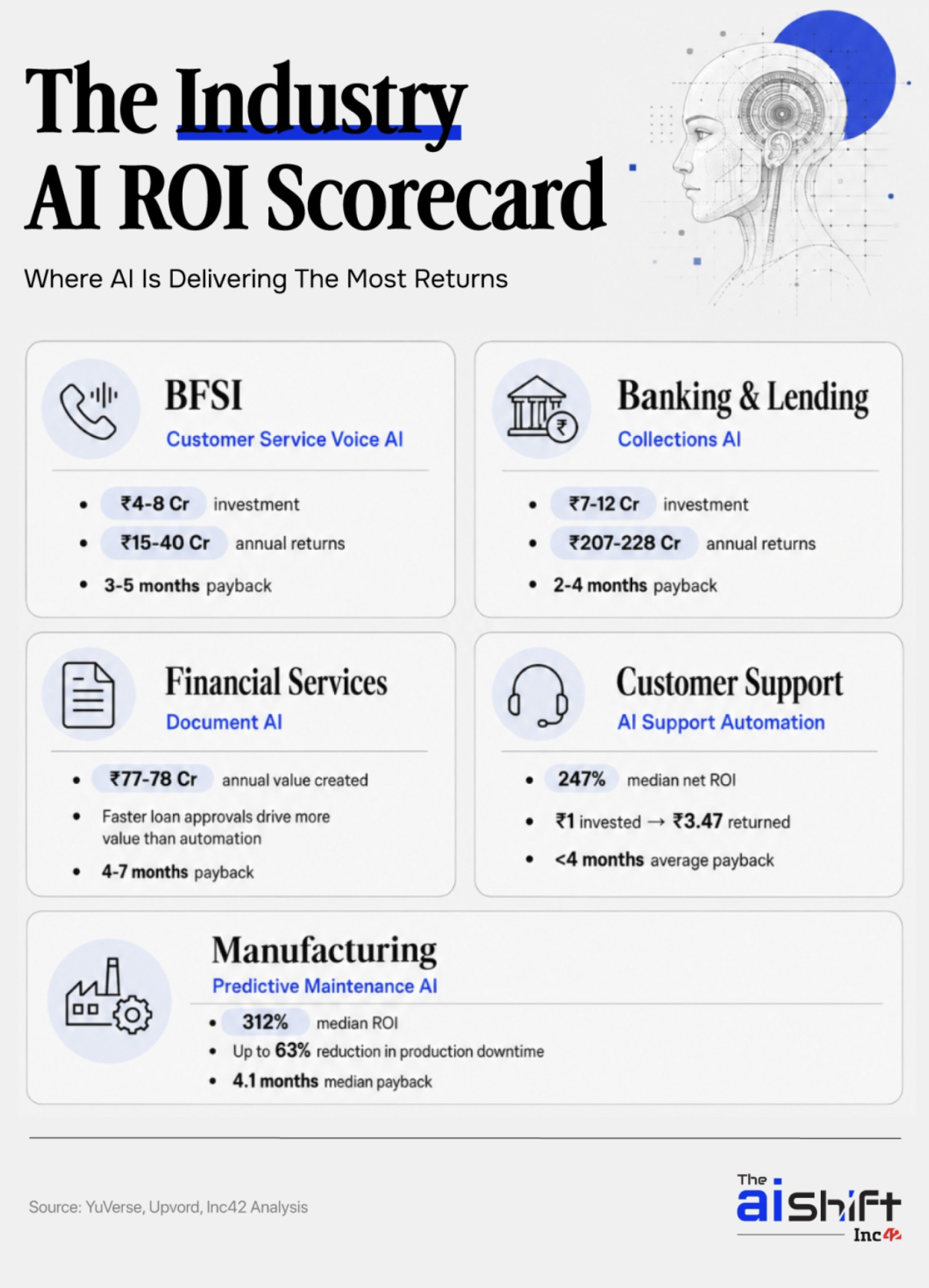
AI systems like ChatGPT, Gemini, and Google's AI Overviews don't just rank pages by keyword density. They score content for credibility, citing sources that have earned trust through third-party validation, media coverage, and backlink quality. According to recent data, AI systems cite premium publisher content three times more often than brand-owned pages — and traffic that arrives via AI referral converts at up to four times the rate of standard organic search.
What this means for your marketing budget: content that earns trust — through genuine authority, clear positioning, and earned media — is now worth dramatically more than content that's produced for volume. The quantity play is losing. The credibility play is winning.
This also means that your website copy, your thought leadership, and your brand voice aren't just marketing assets. They're inputs to an AI visibility scoring system that's quietly deciding whether your business gets recommended or ignored.
Getting found in AI search doesn't require a new budget line. It requires a clearer message, stronger positioning, and content that actually answers the questions your buyers are asking.
What Spending Smarter Actually Looks Like
If your marketing isn't producing what you need it to produce, here's where to start — before you write another check.
-
Pull together every cost: tools, staff time, agency fees, ad spend, design, copywriting. Then put a revenue number next to each channel. If you can't, that's your first problem.
-
Pick one or two. Run enough volume to get real signal. Define what "working" means before you start, not after. If a channel can't demonstrate return within 90 days of honest effort, it's not a channel issue — it's a message issue.
-
Pick one or two. Run enough volume to get real signal. Define what "working" means before you start, not after. If a channel can't demonstrate return within 90 days of honest effort, it's not a channel issue — it's a message issue.
-
If your homepage, your emails, and your social content could belong to any of your competitors, that's the highest-leverage fix available to you. Clarity of message compounds across every channel.
-
Structure your content to answer questions directly. Earn third-party coverage and citations. Make your pricing and positioning easy to parse. The businesses that are winning in AI search right now aren't gaming the system — they're just being clearer than everyone else.
The Bottom Line
More budget doesn't fix a strategy problem. It just makes the wrong things louder.
The businesses that grow efficiently (e.g. the ones that look like they have it figured out) aren't necessarily outspending their competition. They're out-thinking them. They know who they're for. They know what's working and why.
If you're not sure whether your marketing is actually working, that's worth finding out before you spend another dollar trying to make it louder. Book a discovery call to find out where your marketing dollars are actually going, and what it would take to make them work harder.